Panax Bloom garden note
Bonsai Soil vs Succulent Soil: A Plant, Pot and Bag Checklist
Compare bonsai and succulent mixes by plant, pot and bag information. Use a printable worksheet to record missing details before repotting.
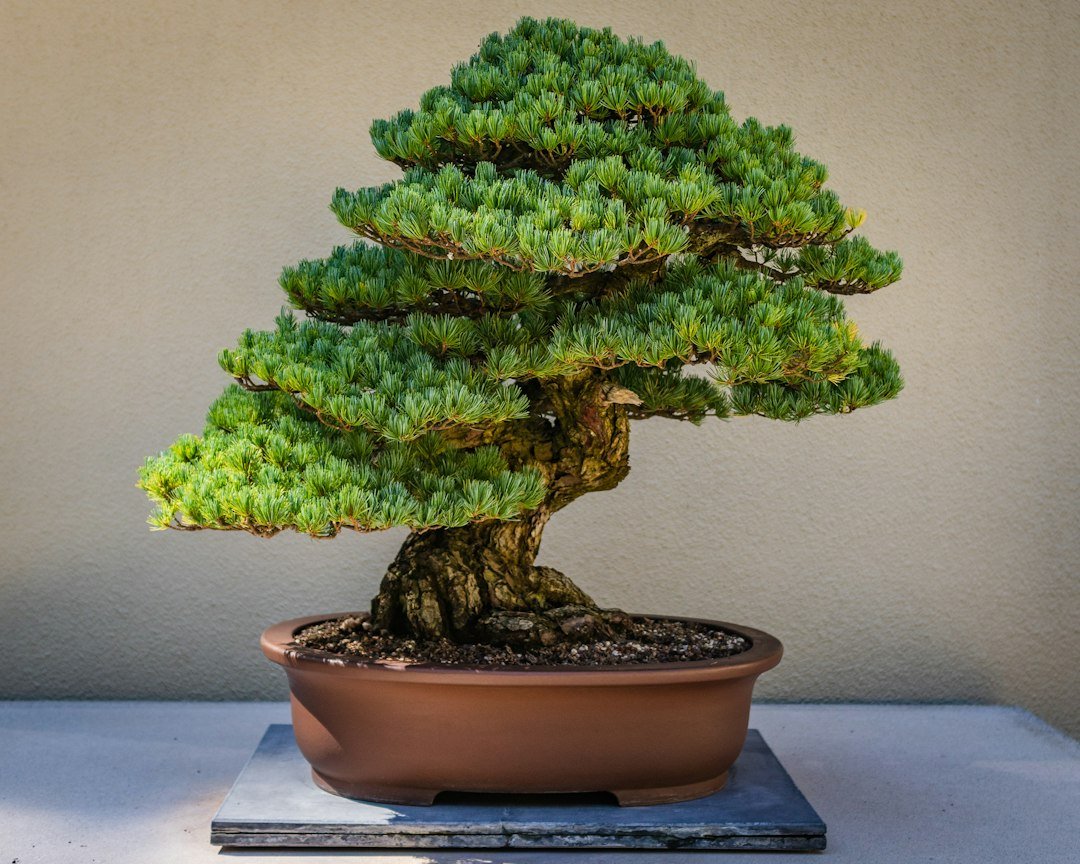
Bonsai soil and succulent soil are not automatically interchangeable. A bag may suit more than one use, but choosing between them requires three things: the actual plant, its container, and enough information about the mix to match its care needs. If one is unknown, write it down before buying or repotting.
This checklist helps you compare two bags without inventing a universal recipe. Use the blank decision worksheet to record what you know, what you observed, and what a grower still needs to answer.
First, separate plant identity from training
Bonsai describes a way of training and growing plants; it is not a species. Succulent describes a broad group with water-storing tissues. The categories overlap: a jade plant can be both a succulent and trained as bonsai. Neither word alone gives you a watering rule.
The RHS bonsai guide describes specialised mixes, including a different provision for acid-loving plants. It also explains that small, shallow bonsai containers have limited water reserves and can dry readily in warm, windy conditions. Its outdoor care guidance aims to keep the compost just moist. Do not transfer desert-succulent drying advice to every bonsai.
University of Minnesota Extension describes well-drained media and thorough watering followed by drying for the cacti and succulents covered in its guide. That guide is not an instruction sheet for every plant sold as a succulent. Confirm care for the identified species rather than assuming the front label establishes its watering routine.
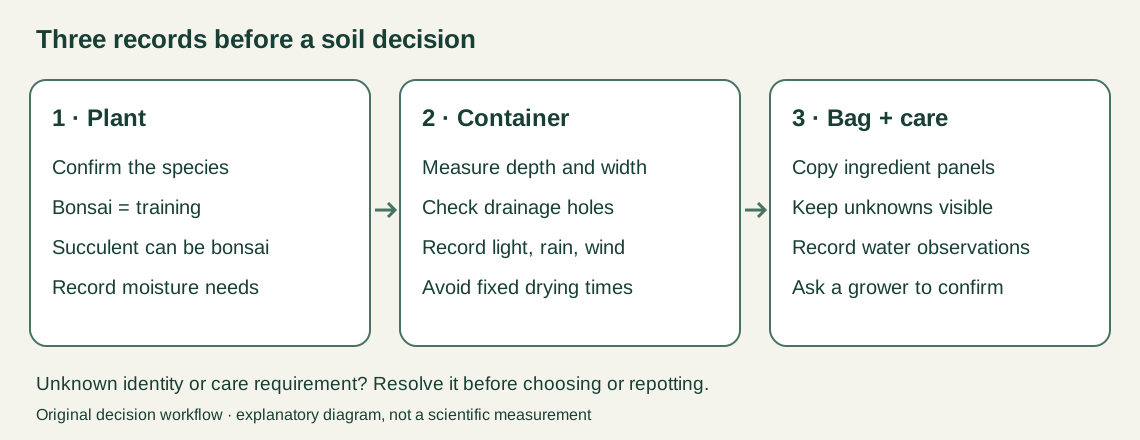
An explanatory workflow, not a measured model of soil pores or drainage.
1. Write the plant's name and the care question
Copy the botanical name from a reliable label or purchase record. If the label says only “bonsai” or “succulent,” mark identity as unresolved. A photograph can help a nursery identify it, but do not silently turn a guess into a confirmed name.
Next, record whether it lives indoors or outside, its light exposure, the season, and whether it receives rain. Add any known recent repotting or root work. These details give a grower context; they are not inputs to a made-up soil score.
Your first question should be: “For this species in these conditions, what moisture condition should trigger watering?” If that answer is missing, choosing the bag with the fastest-draining claim will not resolve it.
2. Describe the container without predicting a drying time
Measure the internal depth and width and note the material. Record drainage holes, a saucer or outer cover pot, and whether water can leave freely. Distinguish a shallow training tray from a deeper nursery pot even when both carry the same plant label.
The important comparison is your actual setup. A shallow outdoor container exposed to wind and a deeper indoor container are different care situations. Do not assign either a fixed number of days between waterings. Depth alone cannot supply that answer.
If the proposed mix change also involves a different container, record both changes separately. Otherwise, later observations cannot tell you which change mattered. Ask about species-appropriate repotting timing before disturbing roots just to compare products.
3. Compare what the bags actually disclose
Place the ingredient panels side by side. Copy the listed ingredients exactly, including any stated proportions, particle grades, pH information, lime, fertiliser, and intended use. Keep manufacturer claims separate from your own observations.
| Record | Bag A | Bag B |
|---|---|---|
| Product name and intended use | ______ | ______ |
| Listed ingredients and any proportions | ______ | ______ |
| Particle grade or size, if disclosed | ______ | ______ |
| pH, lime and fertiliser information | ______ | ______ |
| Missing information to request | ______ | ______ |
A label listing bark, coir, pumice, perlite, grit, or sand gives you ingredients to investigate, not a complete performance specification. If sand is listed without a grade, write “grade unknown.” If mineral and organic ingredients are listed without amounts, leave the proportions unknown. Do not infer them from the product name or a photograph.
For terminology, see how potting mix, garden soil and compost differ. This comparison adds a narrower task: matching a named plant and container to two specific bag disclosures.
4. Use water checks as observations, not a product contest
For a plant already in a container, start with its established species-specific care instructions. Record when you checked, where you checked the medium, what you found, and whether you watered. A surface observation should be labelled as a surface observation; it does not establish moisture throughout the pot.
When watering is appropriate, note whether water exits the drainage holes and whether it collects in an outer container. These observations document the setup. They do not prove that a mix is suitable or establish a safe drying interval. Do not deliberately withhold water from a moisture-sensitive bonsai to test a bag claim.
Use the soil moisture checking guide for the general checking process. In this worksheet, keep a separate space for the species-specific watering trigger and who supplied it.
A fictional comparison: two bags, no winner yet
Imagine a grower comparing Bag A, labelled “bonsai,” with Bag B, labelled “cactus and succulent.” Their plant is an identified jade trained as bonsai in a shallow container. These are fictional details for demonstrating the worksheet, not a growing trial or a plant outcome.
Bag A lists ingredients but no proportions. Bag B lists ingredients and fertiliser but no particle grade. The grower records both omissions, photographs the panels, and asks a nursery whether either product suits that jade, container and growing position. The word “bonsai” does not automatically make A the winner; the word “succulent” does not automatically make B the winner. The useful result is a precise follow-up question.
Finish with a decision you can explain
Choose one worksheet status: candidate for grower confirmation, more information needed, or unsuitable for the documented requirement. For the last option, name the conflict and the source of the requirement. Avoid rejecting a mix merely because its front label belongs to another category.
Send a grower the plant identity, container dimensions, growing position, ingredient panels, current care instructions, and your unresolved questions. Ask about species suitability, acid-loving requirements where relevant, watering cues, and repotting timing. Record their answer and its date. A useful decision ends with a documented reason and a care plan, rather than a universal mix ratio or a promised drying time.
Continue this garden route
Three nearby tasks, kept in the same bed.
Plant Care
Potting Mix, Garden Soil, and Compost Are Different
Choose structure, drainage, organic matter, and intended use instead of treating every brown bag as interchangeable.
Open the garden note
Plant Care
Check Soil Moisture Before Watering Again
Use the soil below the surface, pot weight, drainage, plant condition, and recent weather to decide.
Open the garden note
Start Small
Read Your Space Before Buying Plants
Map light, wind, water access, walking routes, and the amount of care the space can realistically receive.
Open the garden note