Panax Bloom garden note
Deadhead Flowers Without Cutting New Buds
Follow the spent flower stem down to the right leaf or bud before making a clean cut.
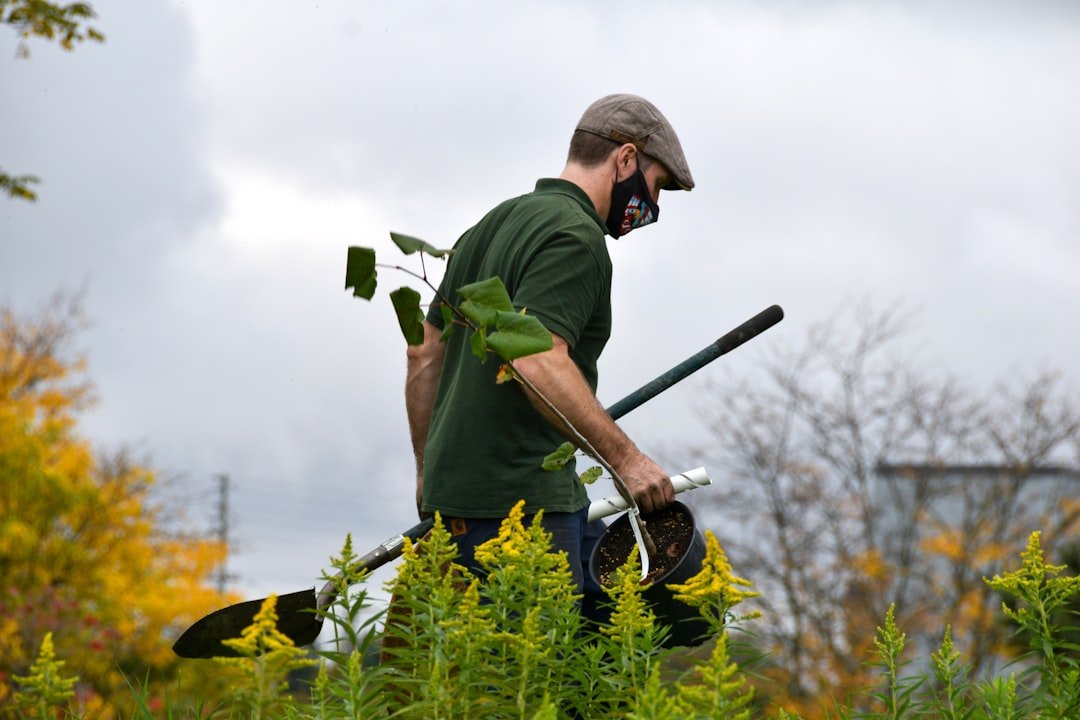
The plain answer
Identify the faded bloom, trace its stem, and cut only after finding healthy growth below it.
Follow the spent flower stem down to the right leaf or bud before making a clean cut. Start with the conditions you can verify rather than a product promise or a perfect social-media garden. Climate, season, plant variety, container size, and the history of the space can all change the right response.
Look before changing
Choose the light condition first, then decide whether you want one season of color or a plant that returns.
Inspect the whole plant or growing area, not only the most dramatic leaf. Notice what is happening above and below the problem, how nearby plants look, and whether anything changed in weather, watering, placement, or care.
Reliable color comes from matching plants to conditions, not buying every plant while it is already in bloom.
Make the smallest useful move
Change one condition and keep the result readable.
A small, specific adjustment is easier to judge than a complete reset. Water thoroughly only when moisture checks support it, move containers only when the new light and wind are suitable, and prune only after identifying healthy growth and the reason for the cut.
Do not mix plants with conflicting light and water needs just because the colors match.
Before buying
Choose for the garden you have, not the display you saw.
Check mature size, bloom period, hardiness, pet safety, support needs, and whether the plant spreads.
Compare fit, mature size, material, storage, replacement parts, warranty, return terms, and the work required after purchase. A reused container or existing hand tool is often enough when it is safe, clean, appropriately sized, and genuinely suited to the task.
Know when the task is complete
Repeat a few suitable plants and leave enough space for their mature shape.
Leave a visible finish: a watered root zone, a supported stem, a clear walking route, a labeled seed row, or a cleaned tool back in storage. The point is not to make the whole garden finished; it is to make the next observation easier.
Continue this garden route
Three nearby tasks, kept in the same bed.
Flowers
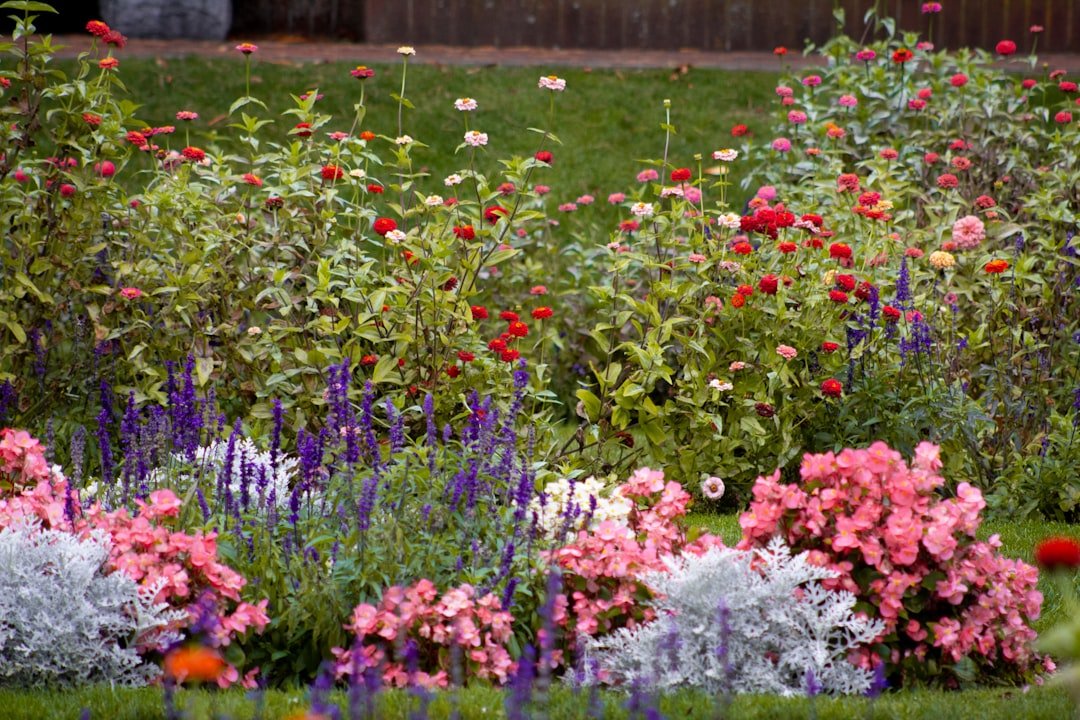
Easy Flowers for a First Sunny Border
Choose a short list of flowers that suit the light, season, mature size, and care you can provide.
Open the garden note
Flowers
Choose Plants for Shade Without Guessing
Separate bright shade, part shade, and deep shade before choosing foliage or flowers.
Open the garden note
Flowers
Annuals or Perennials for Your Space
Compare one-season color, return growth, climate fit, maintenance, cost, and room for change.
Open the garden note