Panax Bloom garden note
Repot a Root-Bound Plant With Less Shock
Prepare the new container and mix first, then move the plant with minimal root drying and a clear aftercare plan.
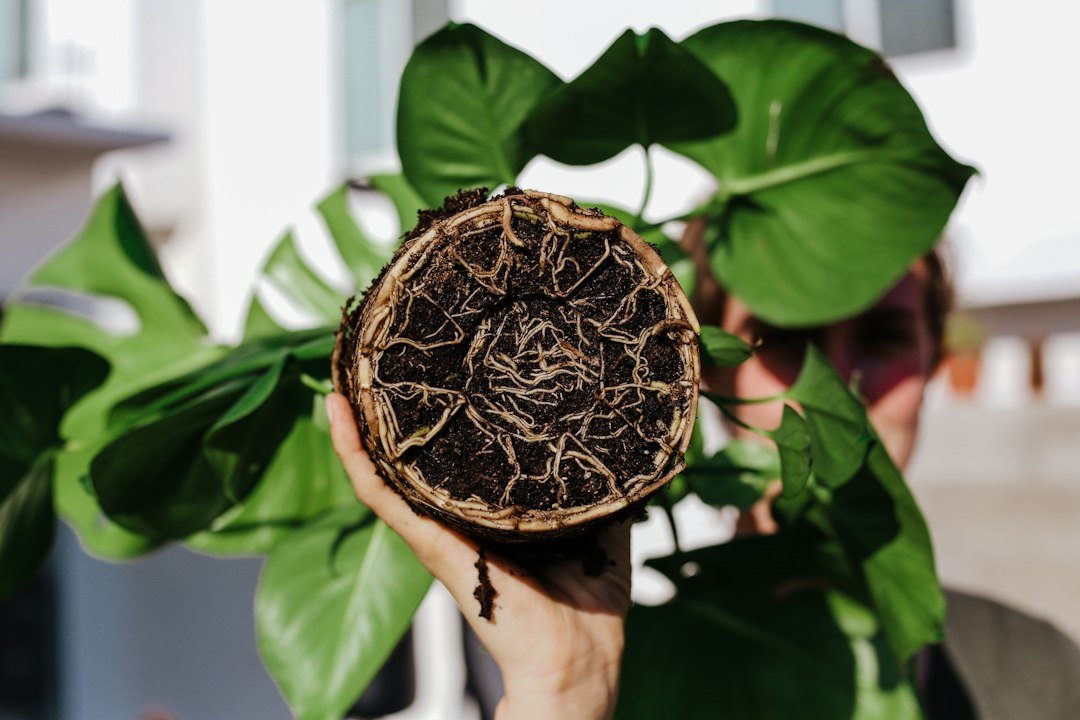
The plain answer
Confirm that roots are circling densely or filling the pot before choosing a modestly larger container.
Prepare the new container and mix first, then move the plant with minimal root drying and a clear aftercare plan. Start with the conditions you can verify rather than a product promise or a perfect social-media garden. Climate, season, plant variety, container size, and the history of the space can all change the right response.
Look before changing
Water as appropriate beforehand, stage the new mix, and keep the root ball shaded while it is out of the pot.
Inspect the whole plant or growing area, not only the most dramatic leaf. Notice what is happening above and below the problem, how nearby plants look, and whether anything changed in weather, watering, placement, or care.
A small-space garden works when drainage, weight, wind, access, and watering are solved before styling.
Read the site
Use the clues that belong to this exact garden.
Roots visible at a drainage hole do not automatically mean the entire root ball is congested. The new mix should suit the plant rather than simply matching what is on sale.
Compare the same place or plant at more than one moment. Morning and afternoon light, wet and dry weather, new and old leaves, or the beginning and end of a watering cycle often explain more than a single snapshot.
Work in sequence
Keep each step small enough to evaluate.
A small increase in container diameter is usually easier to manage than a dramatic jump. Make the first change, record what you did, and give the garden an appropriate amount of time before adding a second intervention.
When several changes happen together, improvement and decline are both harder to explain. A short sequence also makes it easier to stop before a simple task grows into an expensive redesign.
Review and adapt
Let weather, growth, and maintenance revise the plan.
Delay fertilizer or hard pruning unless current plant guidance specifically supports it. Return after the next watering, rain, growth flush, harvest, or maintenance interval and compare the result with the original observation.
If the pattern is spreading, the plant is declining quickly, or the work touches structures, utilities, toxicity, drainage, or personal safety, pause and use qualified local guidance rather than escalating by trial and error.
Make the smallest useful move
Change one condition and keep the result readable.
A small, specific adjustment is easier to judge than a complete reset. Water thoroughly only when moisture checks support it, move containers only when the new light and wind are suitable, and prune only after identifying healthy growth and the reason for the cut.
Do not jump to an oversized container or tear roots aggressively without species-specific guidance.
Before buying
Choose for the garden you have, not the display you saw.
Buy a pot with reliable drainage and enough room for near-term growth rather than the largest size available.
Compare fit, mature size, material, storage, replacement parts, warranty, return terms, and the work required after purchase. A reused container or existing hand tool is often enough when it is safe, clean, appropriately sized, and genuinely suited to the task.
Know when the task is complete
Settle the plant at its previous depth, water according to its needs, and protect it from abrupt stress while it adjusts.
Leave a visible finish: a watered root zone, a supported stem, a clear walking route, a labeled seed row, or a cleaned tool back in storage. The point is not to make the whole garden finished; it is to make the next observation easier.
Continue this garden route
Three nearby tasks, kept in the same bed.
Pots & Balconies
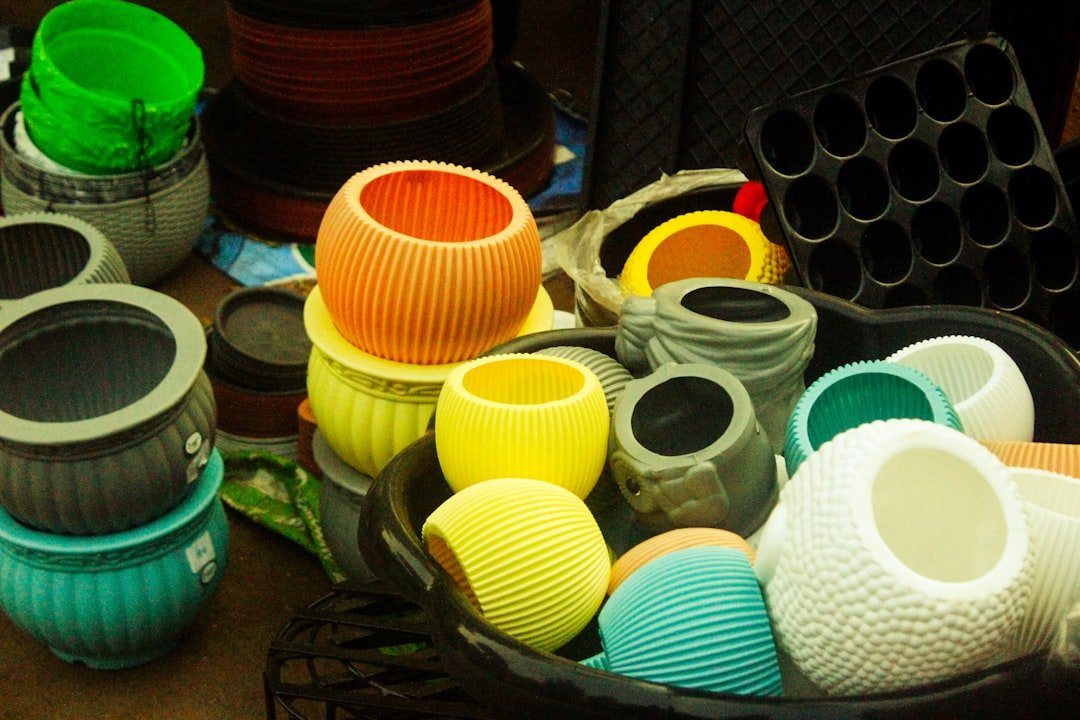
Choose the Right Pot Size for the Plant
Balance root room, mature size, drainage, weight, and watering frequency before choosing the finish.
Open the garden note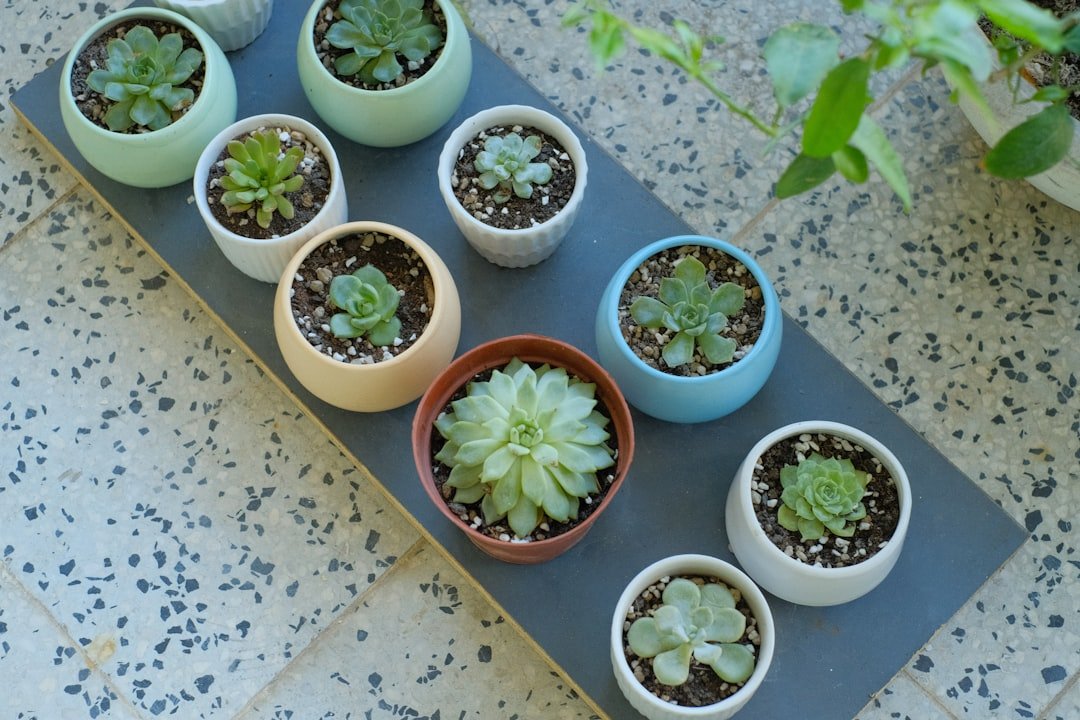
Pots & Balconies
Drainage Holes, Saucers, and Where Water Goes
Protect roots and surfaces by planning both the exit hole and the route water takes afterward.
Open the garden note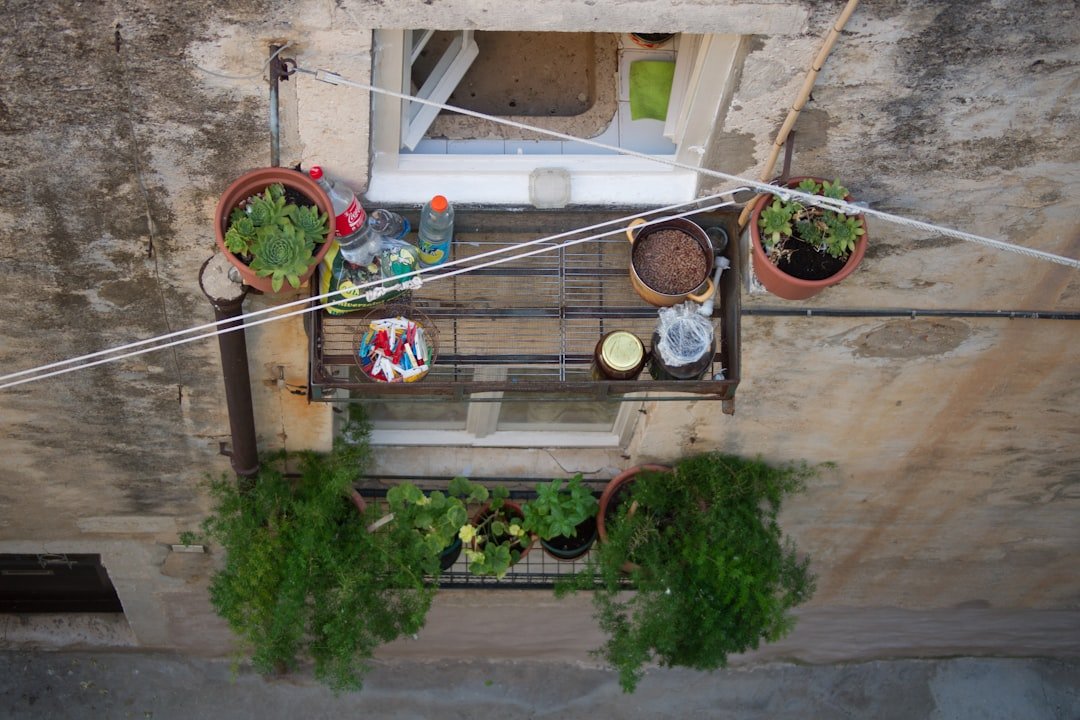
Pots & Balconies
A Balcony Herb Garden for Real Weather
Place a small herb group around sun, heat, wind, railing safety, and the trip from kitchen to pot.
Open the garden note