Panax Bloom garden note
Water Containers Without Flooding the Patio
Water the root zone slowly, manage drainage, protect surfaces, and avoid runoff into neighbors or walkways.
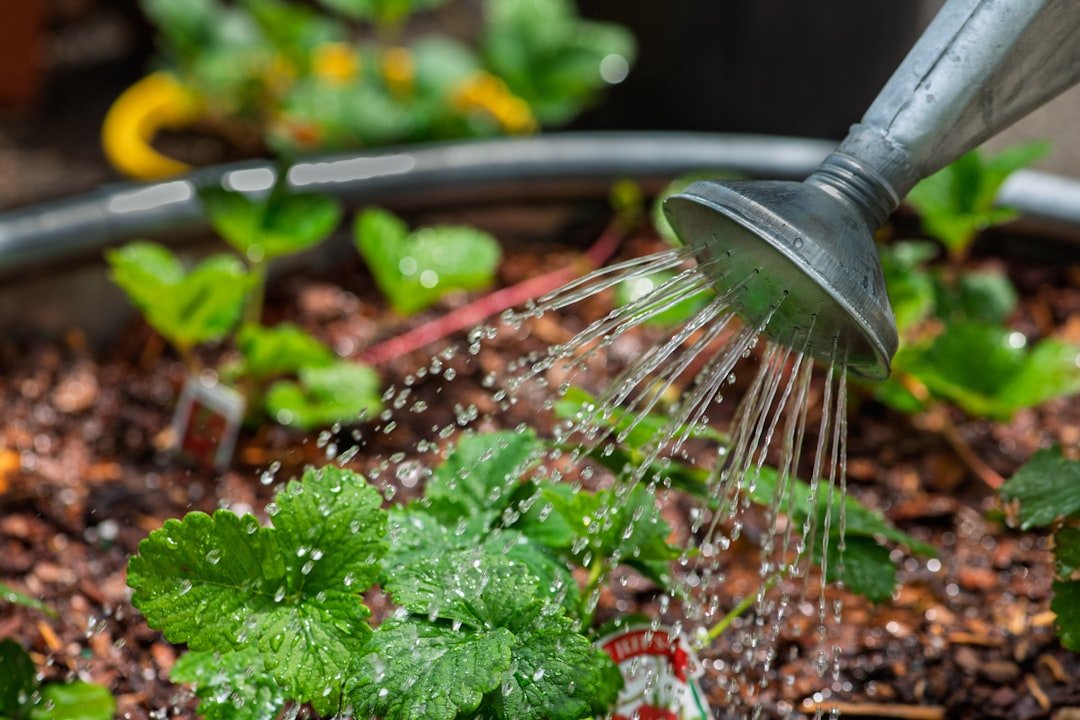
The plain answer
Water in controlled passes, let the mix absorb it, and give excess water a safe place to go.
Water the root zone slowly, manage drainage, protect surfaces, and avoid runoff into neighbors or walkways. Start with the conditions you can verify rather than a product promise or a perfect social-media garden. Climate, season, plant variety, container size, and the history of the space can all change the right response.
Look before changing
Touch or probe the soil, check drainage, and compare the plant with its recent light and weather.
Inspect the whole plant or growing area, not only the most dramatic leaf. Notice what is happening above and below the problem, how nearby plants look, and whether anything changed in weather, watering, placement, or care.
Most plant-care decisions improve when you check roots, moisture, drainage, light, and recent weather before adding another treatment.
Make the smallest useful move
Change one condition and keep the result readable.
A small, specific adjustment is easier to judge than a complete reset. Water thoroughly only when moisture checks support it, move containers only when the new light and wind are suitable, and prune only after identifying healthy growth and the reason for the cut.
Do not add water, fertilizer, or a larger pot merely because the leaves look stressed.
Before buying
Choose for the garden you have, not the display you saw.
Choose amendments and containers for the plant, drainage, existing soil, and label directions rather than a universal cure claim.
Compare fit, mature size, material, storage, replacement parts, warranty, return terms, and the work required after purchase. A reused container or existing hand tool is often enough when it is safe, clean, appropriately sized, and genuinely suited to the task.
Know when the task is complete
Change one care condition at a time and give the plant enough time to show the result.
Leave a visible finish: a watered root zone, a supported stem, a clear walking route, a labeled seed row, or a cleaned tool back in storage. The point is not to make the whole garden finished; it is to make the next observation easier.
Continue this garden route
Three nearby tasks, kept in the same bed.
Plant Care
Check Soil Moisture Before Watering Again
Use the soil below the surface, pot weight, drainage, plant condition, and recent weather to decide.
Open the garden note
Plant Care
Potting Mix, Garden Soil, and Compost Are Different
Choose structure, drainage, organic matter, and intended use instead of treating every brown bag as interchangeable.
Open the garden note
Plant Care
Mulch a Small Bed Without Burying Stems
Cover exposed soil while keeping mulch away from trunks, crowns, stems, drains, and building surfaces.
Open the garden note