Panax Bloom garden note
Seed Starting Mix vs Potting Mix
Compare growing media for indoor vegetable seed trays: seed size, texture, the actual bag label and feeding instructions.
For ordinary vegetable seed starting, a suitable soilless potting mix can work; a separately labelled seed-starting mix is not always essential. Finer seed-starting media can be useful for very small seeds. Choose for the seed, container and product instructions, rather than assuming every bag carrying the word “soil” has the same contents.
This guide helps compare purchased growing media for indoor seed trays and small pots. It does not provide a universal homemade recipe, a product ranking or a germination guarantee. Outdoor beds, mature container plants and specialist propagation methods are different decisions.
What the names do and do not tell you
The University of Maryland Extension notes that container growing media may be sold as potting soil, potting mix or container substrate. Those labels do not necessarily mean mineral garden soil. Its vegetable seed-starting guide explains that finer seed-starter media can help very small seeds, while ordinary vegetable seed starting does not always require that separate product.
Oklahoma State University describes seed-starting mixes as tending toward finer texture and little or no added nutrients. Its growing-media comparison contrasts those with mixes aimed at established plants. This describes typical products, rather than certifying an unseen bag. Read the actual label when names or ingredients differ.
Write down the intended use on the bag, its ingredients and any feeding instructions. A familiar brand name or a picture of seedlings is not enough information for the comparison. If the label does not answer a material question, use the manufacturer's current information before filling a tray.
| Product description | Useful starting point | Check before using it |
|---|---|---|
| Seed-starting mix | Usually a finer medium for sowing | Exact crop suitability and nutrient instructions |
| Soilless potting mix | Can suit general vegetable seed starting | Texture, intended use and included nutrients |
| Garden soil | A different material from container media | Do not substitute it for an indoor seed-tray medium |
Match the mix to the first container
Start with the seed packet and the actual tray or pot. Record the crop, sowing instructions, container size and whether drainage is provided. A product selected for a large established plant is not automatically the best choice for a shallow cell holding a tiny seed.
Compare the texture you will sow into. Small seeds need a workable surface and contact with the growing medium. The University of Georgia's seed-starting guidance calls for an even, fine medium and warns against lumpy material for small seeds. It also advises against using garden soil for this indoor task.
Use those points as a check, rather than a reason to add several ingredients by eye. If the purchased product is unsuitable for the planned task, choose an appropriate product or ask a local extension service. This article has not tested a mixing ratio that can turn any unsuitable bag into a seed-starting medium.
Separate the purchase from the feeding decision
Check whether nutrients are already included, how the manufacturer describes them and which application instructions apply. Maryland's guidance notes that some growing media already contain fertilizer. Georgia's seed-starting guide recommends a medium without fertilizer. These recommendations have different starting assumptions; combining them into a single universal feeding schedule would hide that difference.
Keep the seed packet, bag label and selected crop guidance together. Record what was already in the medium before considering an additional product. Do not add a feed simply because the bag was called potting mix, or assume that a seed-starter label means the contents never need later feeding.
For a crop-specific question, ask the local extension service with the exact bag and seed details. Do not substitute a guessed dose for the current product directions. This guide deliberately avoids a universal fertilizer quantity or a promise about how many weeks an unspecified mix will feed seedlings.
Compare one planned tray before filling everything
Make a small planning record: crop and seed size, container, selected product, intended use, nutrient information and the instruction that still needs clarification. This is a purchasing worksheet, not a recommendation to run a controlled experiment or a claim that Panax Bloom tested the products.
If you compare two products, keep their labels distinct. Name what would make the decision change: a product specifically suitable for your sowing task, an unclear nutrient claim or a texture that cannot provide the sowing surface you need. Do not assign a quality score based only on how dark or rich the material looks.
An illustrative decision is a packet of very small seeds destined for a shallow tray. The buyer would check the packet's instructions and seek a suitably fine medium, then read its nutrient directions. Another crop in a different container may lead to another choice. Neither example proves that one bag is better for every seed.
Prepare and observe according to the selected instructions
Maryland recommends moistening dry media before filling containers and keeping seedling media moist without saturation. Follow the product's preparation directions and the crop's sowing guidance. Keep observations about moisture separate from claims about the brand: a tray's conditions can change even when the purchased mix stays the same.
Record the sowing date and the instructions followed. If something fails, preserve the crop, medium, container and care details before buying another additive. This checklist helps make a useful question for an extension adviser; it cannot diagnose a failed seedling from a photograph.
For the broader distinction between indoor containers and beds, read potting mix, garden soil and compost. For an established plant's next watering check, use checking soil moisture. Keep those tasks separate from the first germination-stage decision.
Sources checked 15 October 2026. This article uses university guidance and a practical comparison worksheet; Panax Bloom has not performed germination or product tests for it.
Continue this garden route
Three nearby tasks, kept in the same bed.
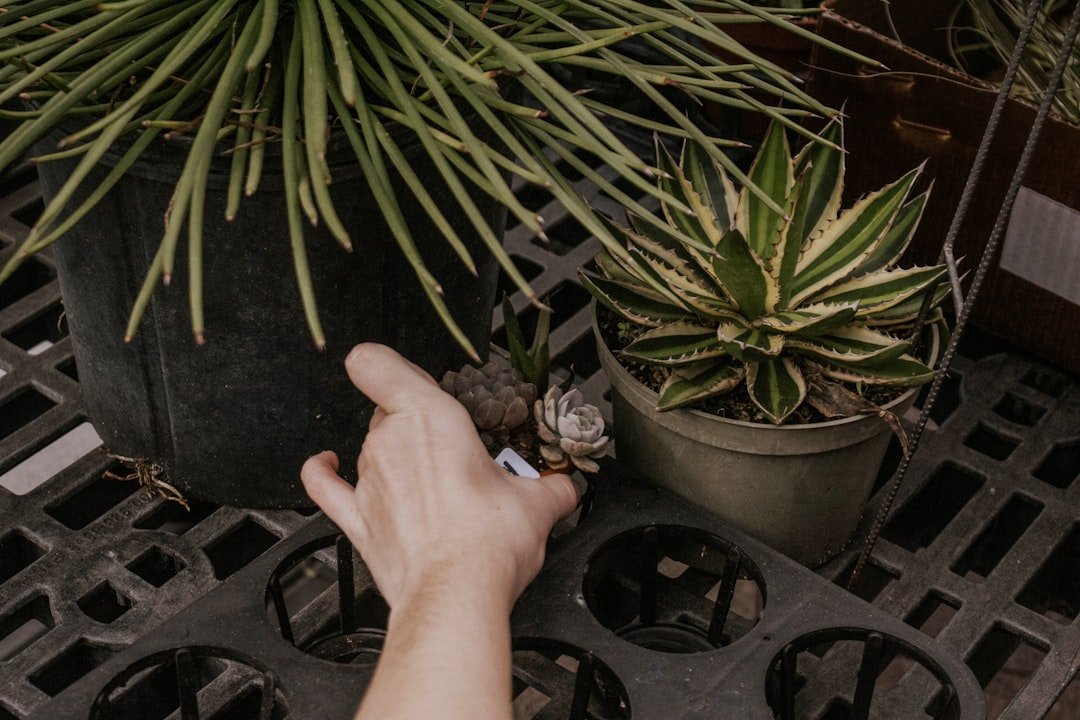
Plant Care
Check Soil Moisture Before Watering Again
Use the soil below the surface, pot weight, drainage, plant condition, and recent weather to decide.
Open the garden note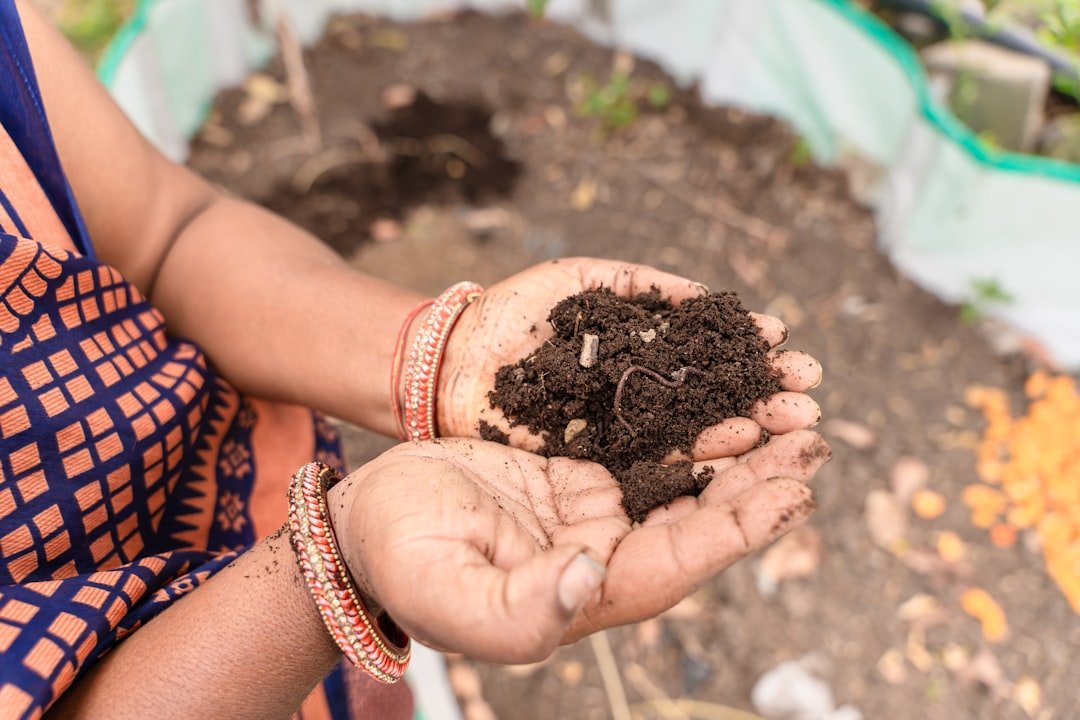
Plant Care
Potting Mix, Garden Soil, and Compost Are Different
Choose structure, drainage, organic matter, and intended use instead of treating every brown bag as interchangeable.
Open the garden note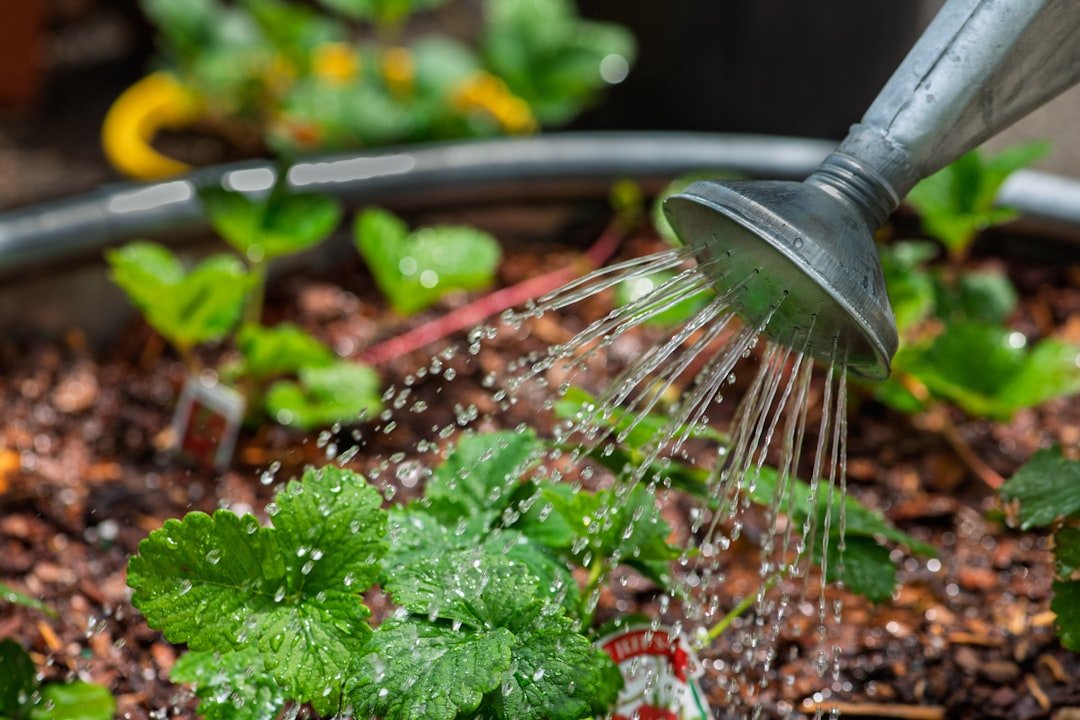
Plant Care
Water Containers Without Flooding the Patio
Water the root zone slowly, manage drainage, protect surfaces, and avoid runoff into neighbors or walkways.
Open the garden note